Sergei Rachmaninov (1873-1943) composed his Third Piano Concerto in 1909. Today it is considered one of the most challenging piano concertos written during this period and lasts almost 40 minutes. In the following, I will go through the main themes of the first movement.
After a short introduction to the low instruments, we are presented with the first theme in the piano. A melodic and simple phrase:
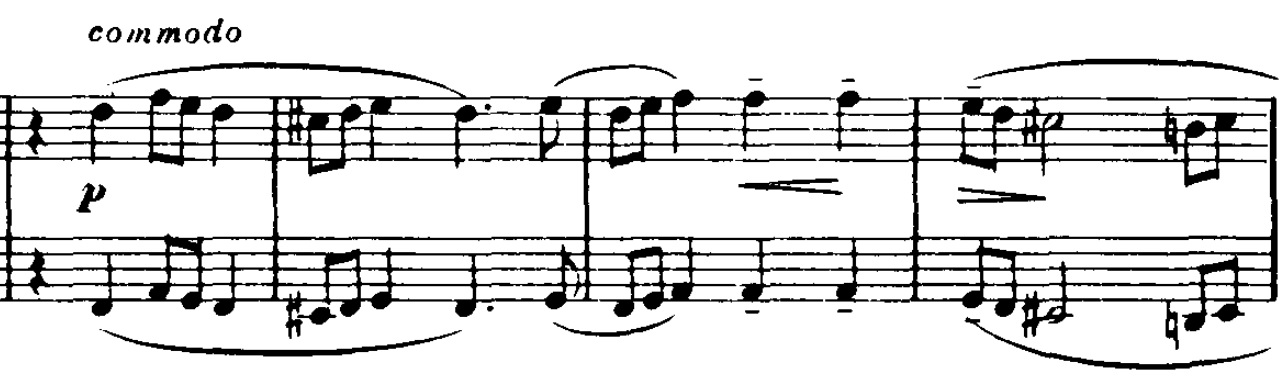
Rachmaninov spends a lot of time brushing out the theme, the piano only plays the melody in both hands, while the orchestra accompanies the melody and colours it:
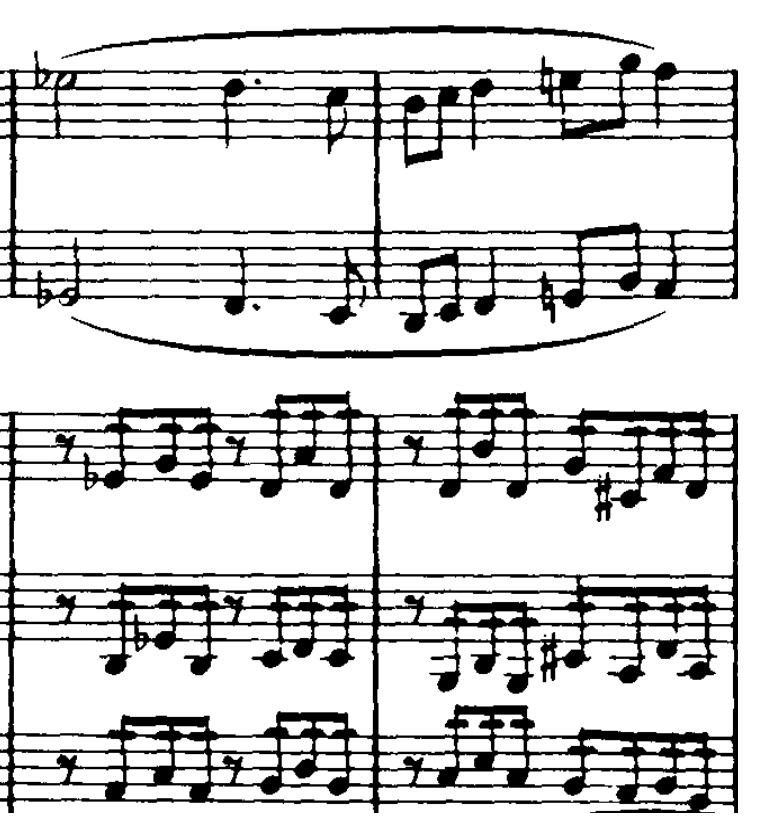
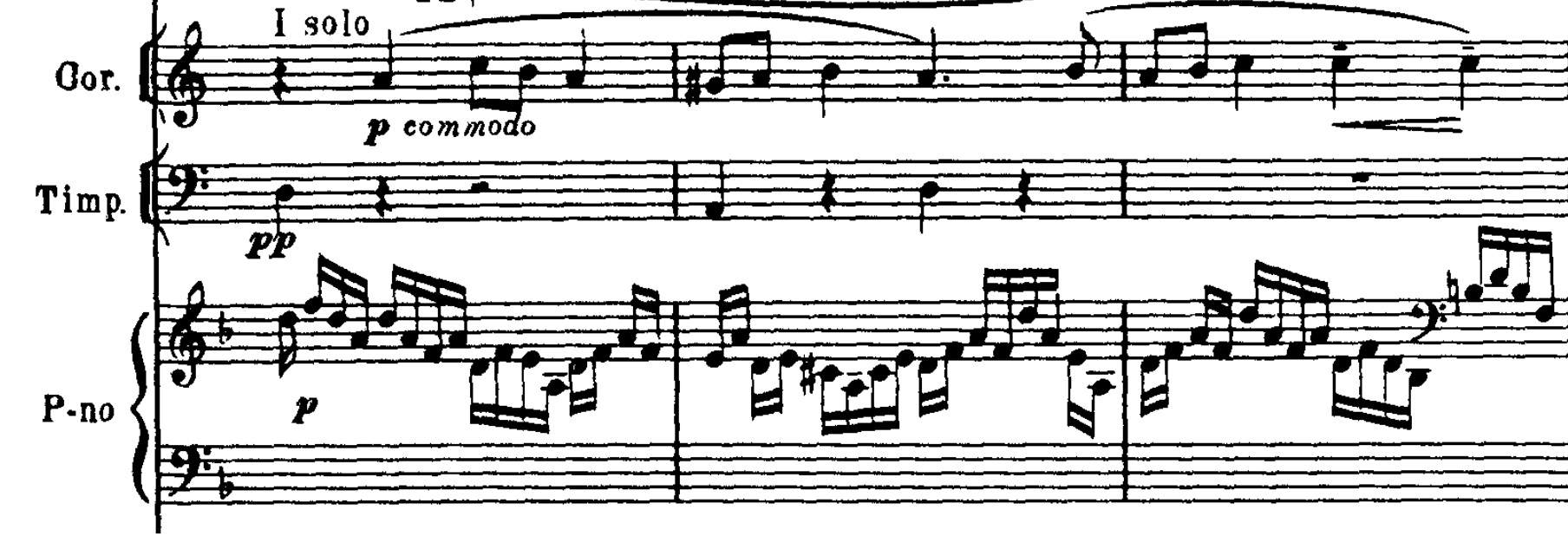
But soon the pianist can't hold back any longer, and a more advanced and virtuosic piece for the pianist begins, while the theme from before is now played in horns and uglier:
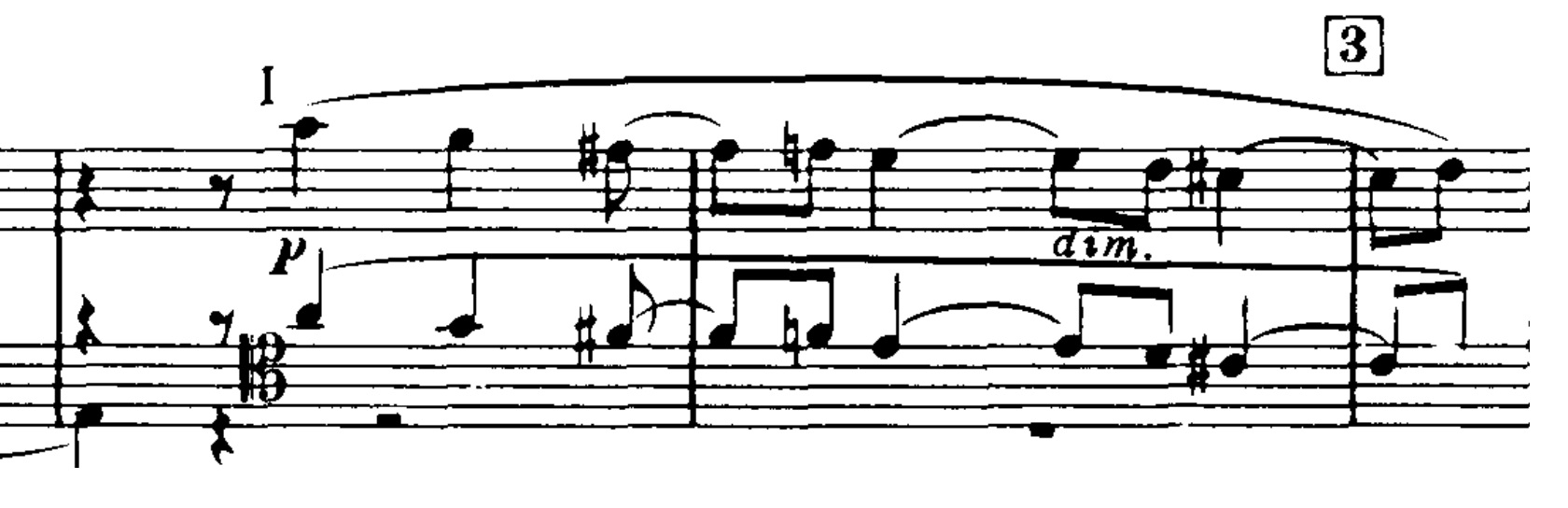
After this piece, we enter a longer transition section that can be roughly divided into four parts. The first is preceded by a descent in oboe and bassoon, which is repeated shortly afterwards in flute and clarinet:
The second part of the transition is noticeable mainly because the tempo first drops before picking up again. Subtly under the piano phrases there is also a melodic fragment, something that is hard to hear but worth noting:
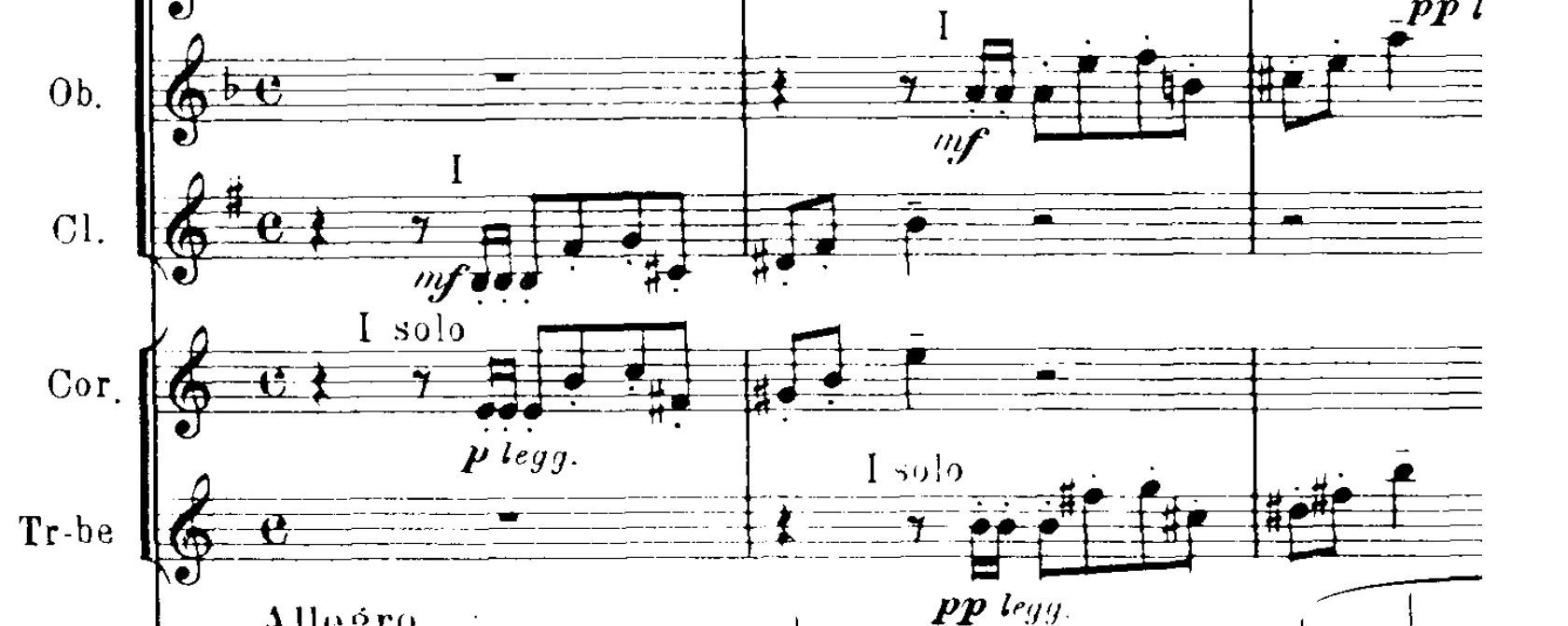
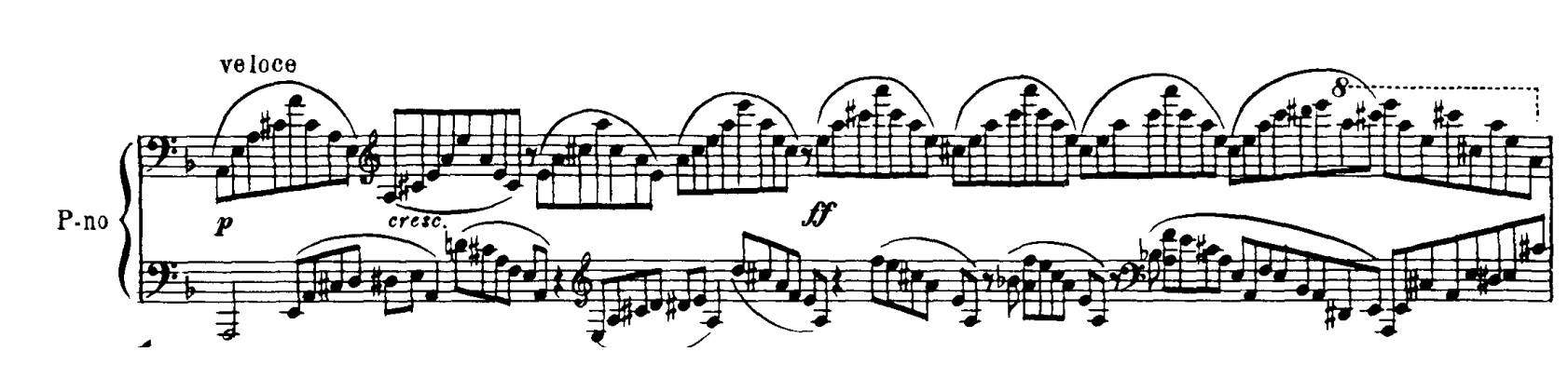
The third part of the transition is a wildly virtuosic piano piece:
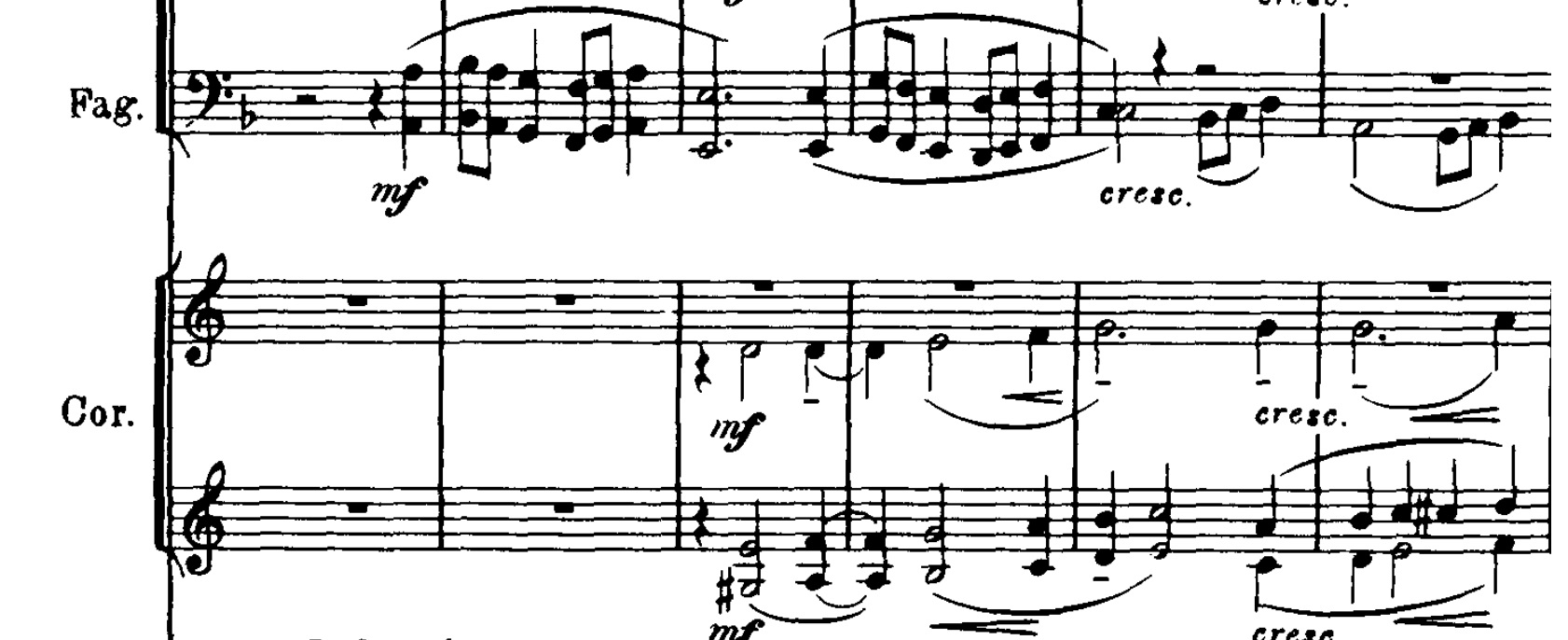
The fourth and final part of the transition features an old favourite, the original theme in a slightly different version, here played in bassoons:
Now we hear the melodic fragment presented earlier, first in the strings and then picked up in the piano:
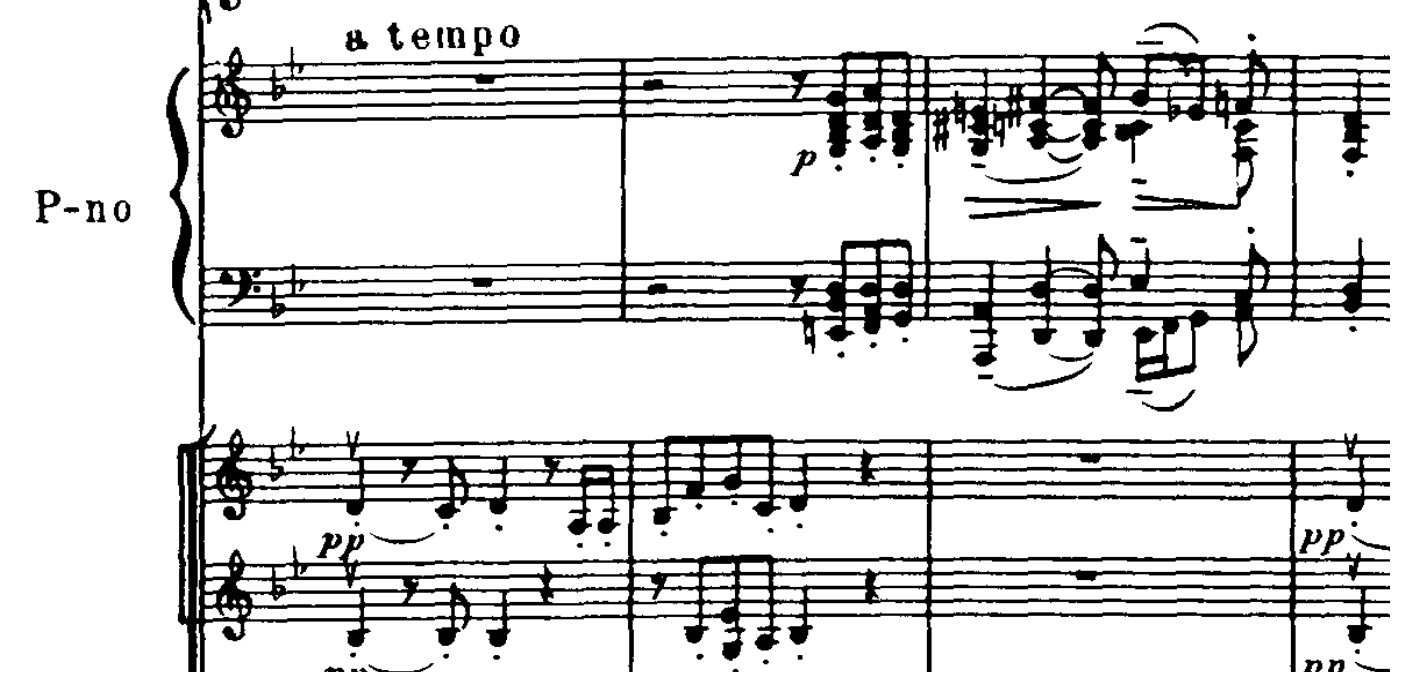
Rachmaninov pulls a very clever trick where he takes the melodic idea from the piece we just heard and gives it a completely different feel by letting the piano play it all by itself:
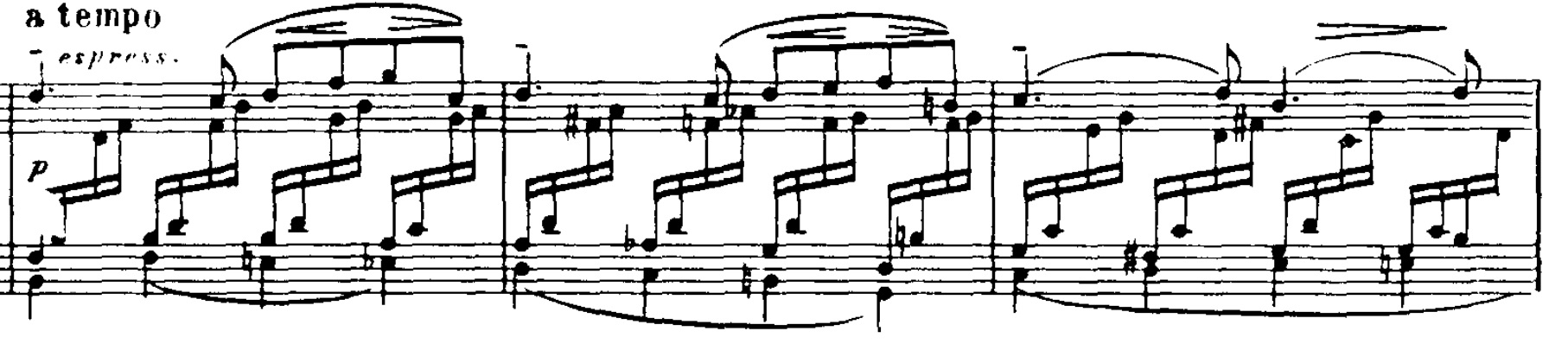
We now move into a further variation of this new theme, where the melody is simplified, while the underlying chords and chordal accompaniment are taken to the next level:
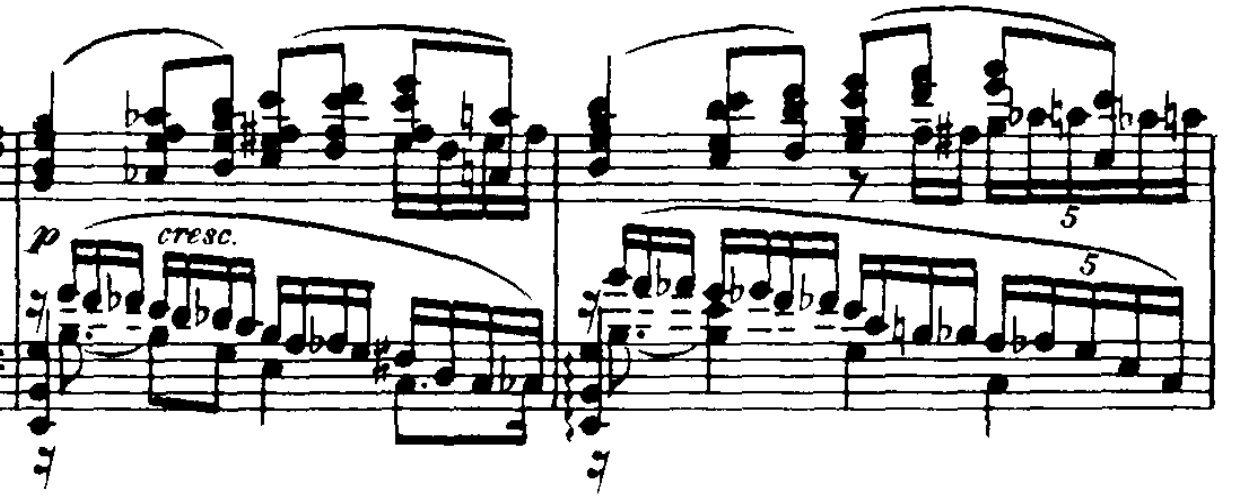
Rachmaninov now begins a new transition, but lets us hear the second theme one last time:

Now begins the part of the concert where the material we've heard so far is worked through, so if you remember the themes and ideas that have been played so far, your ear is well prepared.