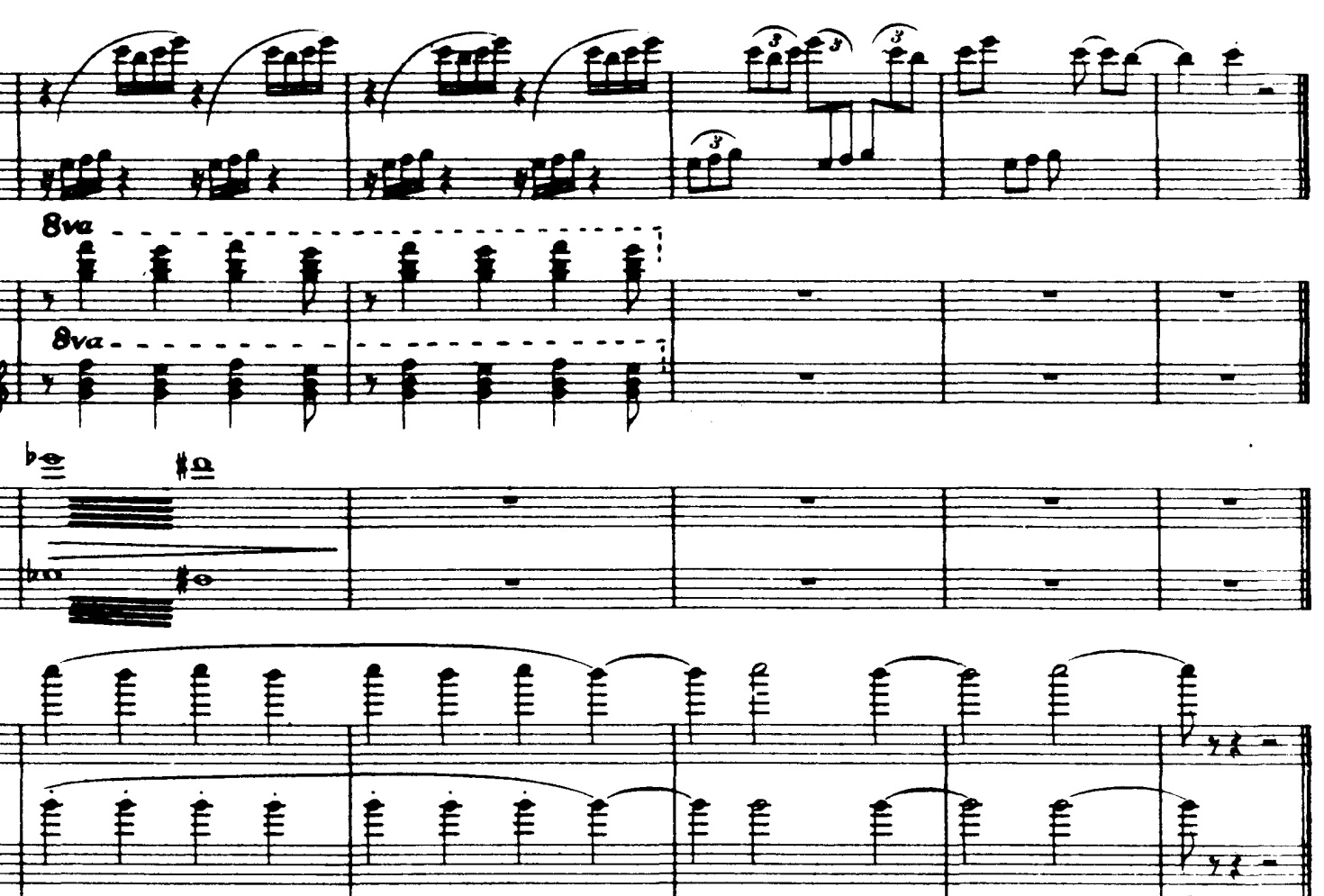
Gustav Holst (1874-1934) composed his work in 1914-16 Seven Pieces for Large Orchestra, where each piece was dedicated to a planet in our solar system. Since then, the work has become known as The planets and is by far Holst's most famous work. In the following, I will focus on the piece that Holst dedicated to Venus, which he believed brought peace.
The movement generally consists of four different themes, and Holst introduces us to the first right away. The horns play a beautiful and slow ascending line:

This is repeated immediately afterwards, but is now answered by the woodwinds with descending counterparts in flute and oboe, and a co-voice in clarinet:
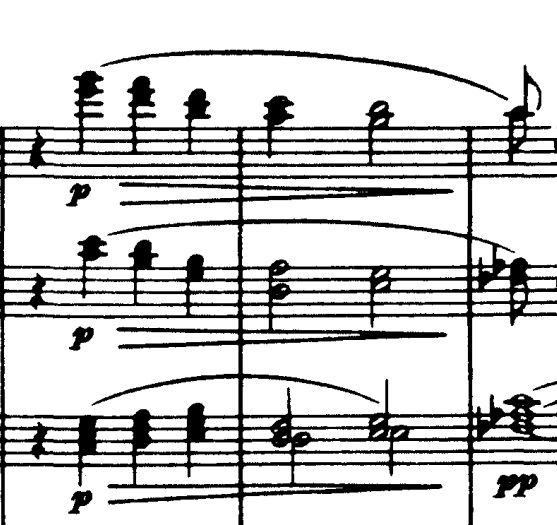
In what follows, this theme is moved around and allowed to develop a little. But soon a new theme cuts through, a melodic solo in the first violin:
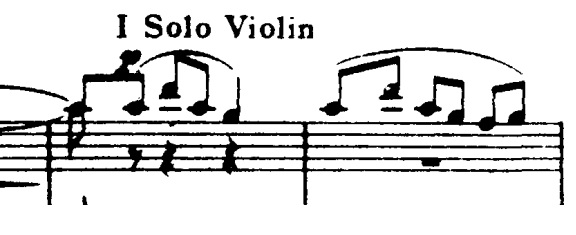
This is quickly picked up and repeated by the entire swipe group:

The string group's playing becomes more and more intense, until the third theme almost grows out of their interplay. This consists of some jumps, from top to bottom, which are repeated and moved:
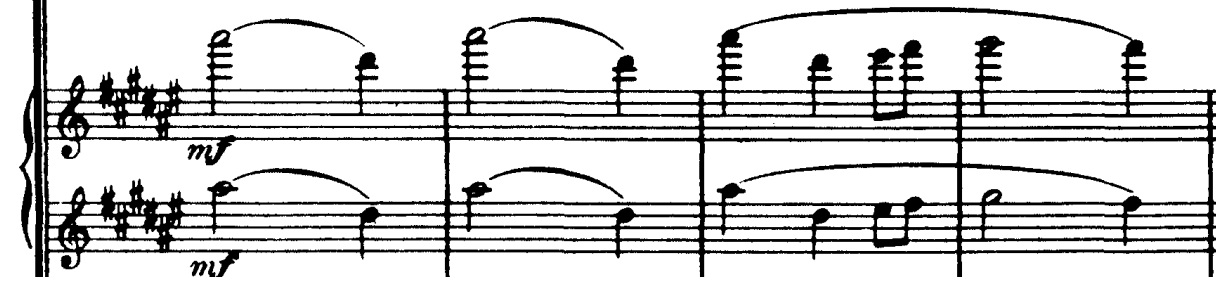
After a while of this high-intensity shenanigans, the oboe has to calm down and presents us with the fourth and final theme of the movement:
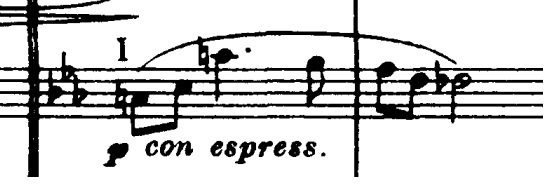
Soon, the solo cello takes over this theme after a long passage where we have, among other things, revisited theme number two:

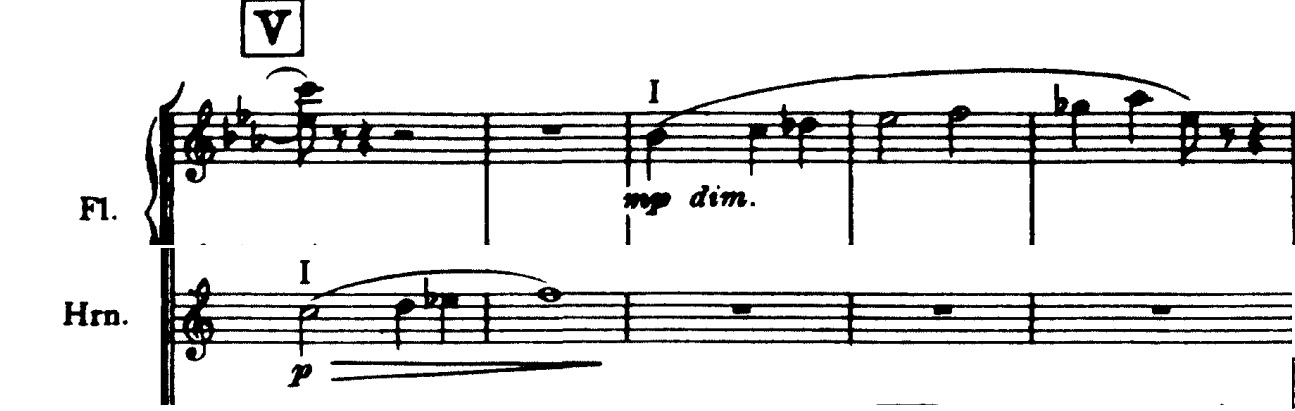
Suddenly, the first theme returns. But this time something different happens, because instead of playing the descending counterpoint, this time the flute continues the upward movement of the theme:
Towards the end of the movement, the solo cello returns, this time with the third theme, which, due to the orchestration, sounds for a brief second as if it is moving upwards instead of downwards:

Holst now slowly lets the movement fade out, and our encounter with the peaceful planet ends here.