Antonín Dvořák (1841-1904) was at the height of his career in the late 19th century. The Cello Concerto was composed in 1894-95 and premiered in London in 1896. It is Dvořák's last major symphonic work.
The concert opens with the central motif in the clarinet:

The motif is moved around the different instruments until they are blown up to the largest scale and played throughout the orchestra:
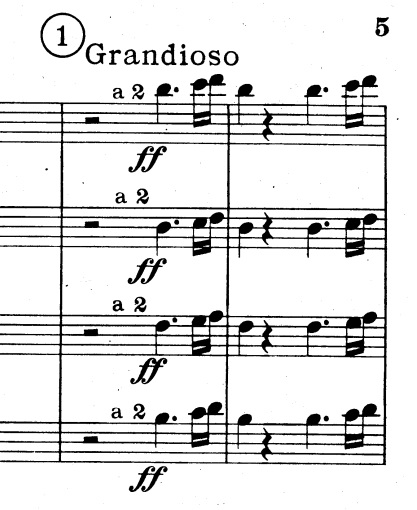
The central motif is developed at length, but briefly we hear a more melodic phrase in the horns:
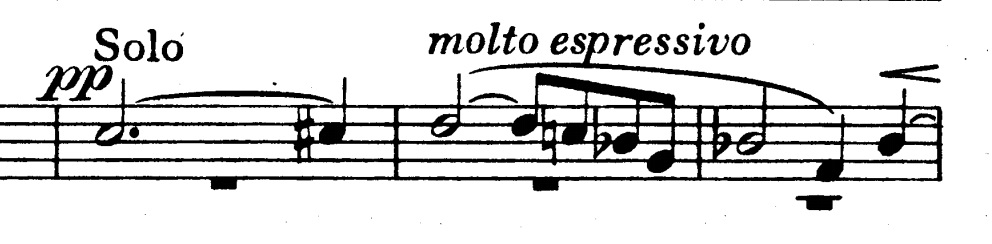
Now the soloist is ready and he's just getting started with the central motif:

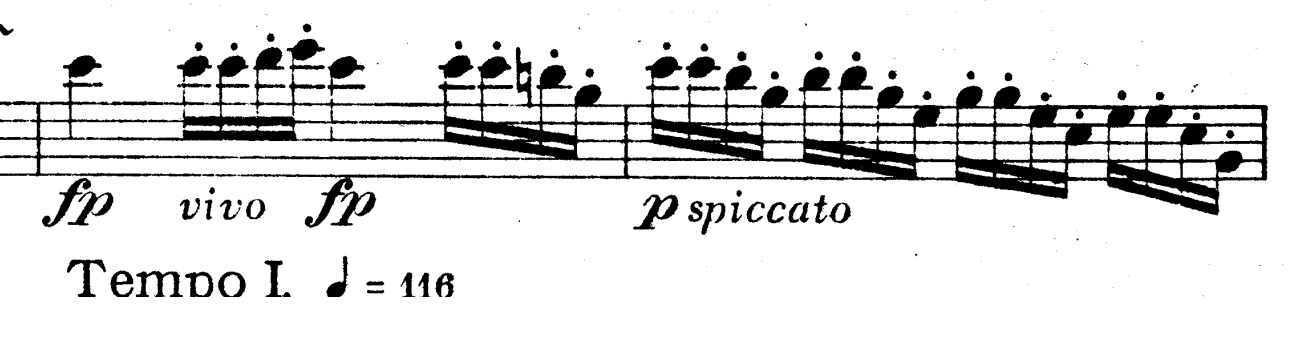
Soon after, he plays his first variation on it, playing it staccato and with many repetitions:
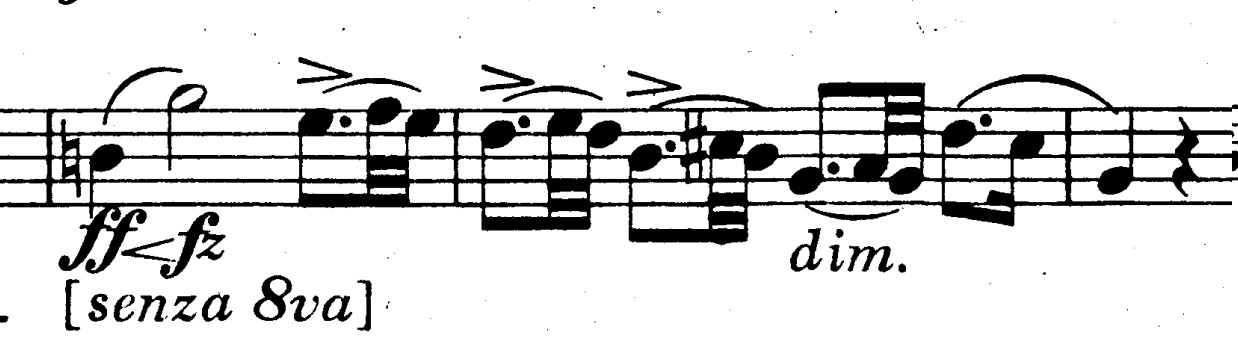
It is briefly interrupted again by the horn motif from before, now in the cello and played with variations:
This motif is worked on for a while, and suddenly the violins begin an upward run, which the cello soon takes over:
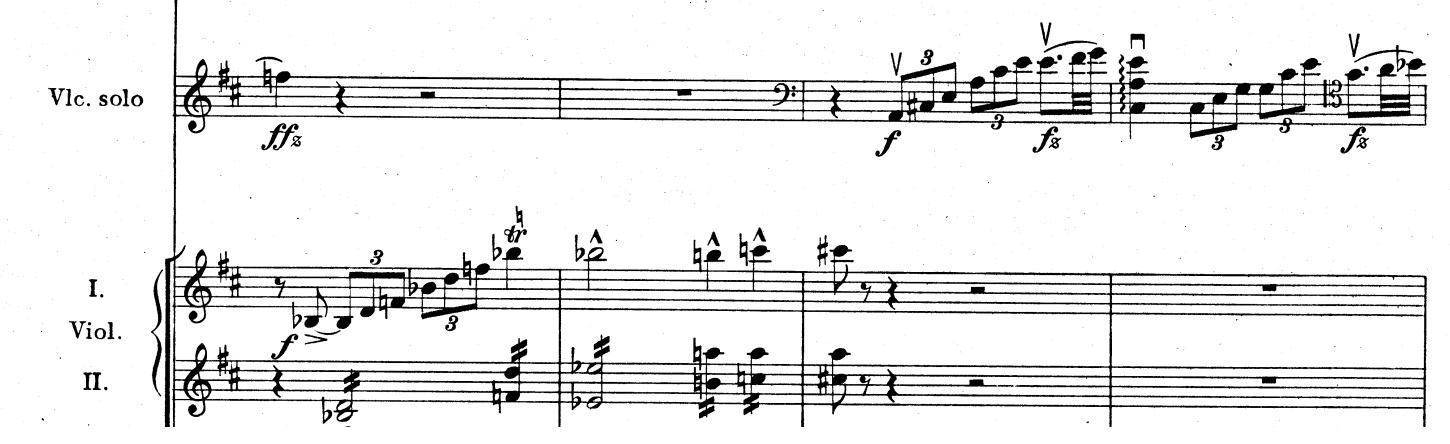
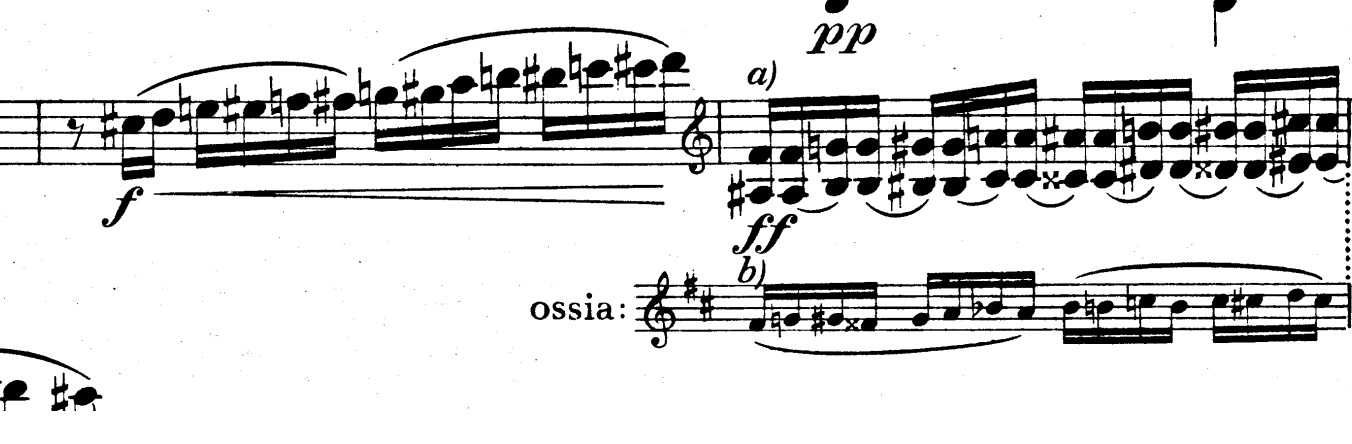
Now we enter the final part of the movement, where it is mainly the central motif that is worked on between soloist and orchestra. But towards the end, we are presented with this virtuoso run in the cello:
Finally, we hear the central motif one last time, played at full blast led by the trombones, and the first movement is now over.
