When the musicians board the plane to Tokyo on Friday, they will find out if every detail has been taken into account during 18 months of preparation, details that are crucial for success in foreign climes. Leading the preparations are the orchestra's producer Gordon Alsing and his associate, Production Manager Susanne Gundal. Together, they have spent half a year organising something akin to a military operation. If the logistics don't work and the jungle of rules for transporting people and instruments are not taken into account, the orchestra can play just fine - it doesn't help make the concerts work.
The tour to Japan is special because the Japanese - more specifically the large technology group Toshiba - are paying for the whole thing. Normally, the preparations include raising sponsorship money for the tour from foundations, institutions and companies in Denmark, among others.
On the other hand, the Japanese have very precise ideas about how things should be done. In comparison, when the orchestra toured China last year, plans were constantly being changed. That doesn't happen in Japan.
This is the 38th time Toshiba has invited a foreign orchestra to play for the Japanese at 10 concerts in several cities in the empire. Two differently composed programmes will alternate. The Japanese will hear Max Bruch's Violin Concerto with Arabella Steinbacher (half Japanese) as soloist - it was played with the same line-up at the Concert Hall last month, Beethoven's 5th Piano Concerto with Japanese pianist Yukio Yokoyama at the piano, Beethoven's 7th Symphony and Tchaikovsky's 5th Symphony. The Japanese are very much into the great European classics.
Nevertheless, they managed to convince the Japanese organisers that there should also be a Danish element to the programme. Carl Nielsen's overture to Maskarade and the obligatory encore: Gade's Tango Jalousi. But a newer Danish composition is also on the programme: Bent Sørensen's Evening Land. The composer himself will be travelling on part of the tour.
-"It's extremely prestigious to be invited to a tour like this," says Gordon Alsing. He is certain that the criterion is that the orchestras must be of a high artistic standard.
-"And it doesn't hurt that it's a world name, the orchestra's chief conductor Fabio Luisi, who is on the podium. I'm sure it's both Luisi and his predecessor, Rafael Frübeck de Burgos, combined with the fact that the orchestra today has a world-class level that has earned it the right to be selected alongside the world's leading orchestras to play around the world. .
It's not just an interested, knowledgeable and critical Japanese audience that will enjoy the sounds of the Danish National Symphony Orchestra. It is also the orchestra itself and the musicians who, through such tours, cement their ”brand” by being in international demand. This in turn allows them to attract great guest conductors and soloists to the ”Thursday concerts” at home in the Concert Hall in DR-Byen and to the huge audiences at the loudspeakers around Denmark.
Two of the ten concerts are closed events for Toshiba business partners. Four of the concerts will take place in Tokyo, but there will also be concerts from North to South in the archipelago. These include the cities of Osaka and Hiroshima.
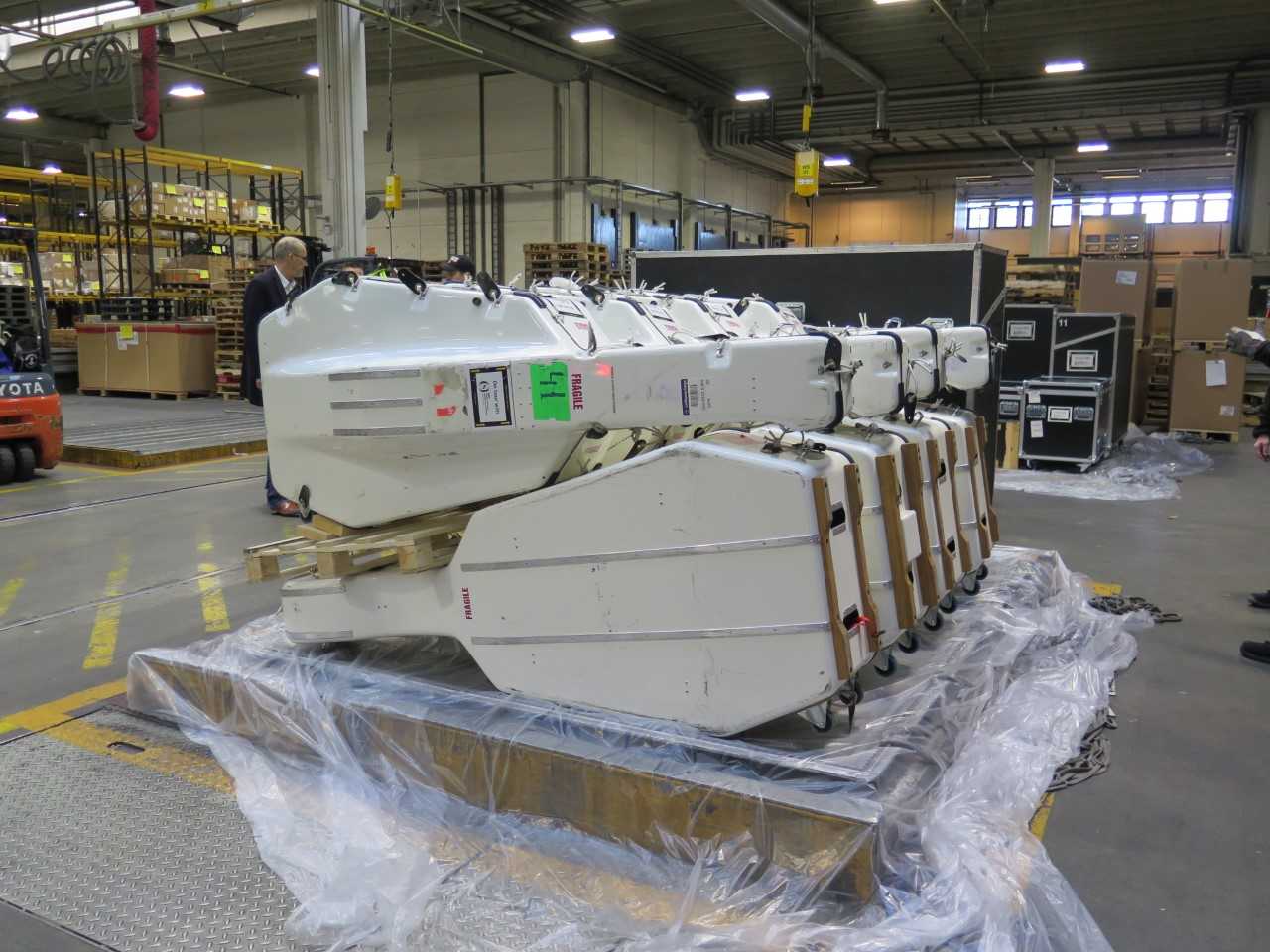
When the SAS flight with the musicians and their staff takes off, the instruments are also travelling as air cargo. There are no harps to take to Japan, but otherwise, harps and grand pianos are borrowed on tours where they arrive - for all other instruments, the musicians bring their ”own” instruments from Denmark.
The instruments for the Japan trip will be packed into flight cases after the concert in Koncerthuset on Thursday. Gordon Alsing, the musicians and the orchestra's assistants have test-packed the luggage, and the organisation of the loading on the plane in Kastrup has also just been tested. Nothing is left to chance. There must be nothing in the suitcases other than the instrument.
The sheet music also comes with the cargo plane, but just in case, the different scores are stored on a USB stick and can be printed out from there if for some reason the right sheet music doesn't arrive in time.
But even before they have got that far, meticulous preparatory work has been done in DR-Byen. Four or five photographs have been taken of all the instruments, and lists have been made of everything right down to the violin bows, because all instruments must have a passport that the authorities must approve. There is an international so-called CITES list (created by the Washington Convention with 16,000 names of endangered animals and plants, and in this case, no instrument or parts of it can be shipped if it is on the list. and it cannot be documented that it has been traded legally.
Gordon Alsing reviews the lists, which are a sheet about one square metre in size, with the authorities, who select doubtful cases for further investigation.
- We had a very baroque case where the authorities asked me if part of the handle of a violin bow contained elements of a sea turtle shell. They wanted to see documentation and asked if I had witnessed the making of the bow handle. I hadn't, as it was made in 1782, and the result was that the bow was not allowed on the tour. Checks are carried out on both entry and exit.
In addition to the endangered species, there is a ban on using mammoth teeth, which are very similar to ivory. The mammoth is known to be extinct and therefore not endangered, but the Nazis stole large quantities during World War II and they are still in circulation today - illegally.
Of course, musicians also need a passport and a visa. Although there is no visa requirement for regular travel to Japan, it is required for working in the country. So large lists are made with all the data about the musicians. Complicating matters is the fact that the orchestra includes musicians from several nations, and even though they may have become Danish citizens, the fact that they were born in another country can create difficulties.
When the orchestra was on tour in China, several members had to stay at home because they were born in a country that did not have an entry permit for China.
The lists that Gordon Alsing and Susanne Gundal create contain more names than those who are intended to make up the ensemble. The lists cannot be changed, so to be on the safe side, agreements have been made with substitutes, for example from the Royal Danish Orchestra, to fill in when the permanent cast is cancelled. The approval of the list by the authorities is a complicated affair. It happens in several stages in Japan and at the Japanese Embassy in Copenhagen.
The zeal is not a particularly Japanese phenomenon, nor is a country like China more zealous about control than the US, for example.
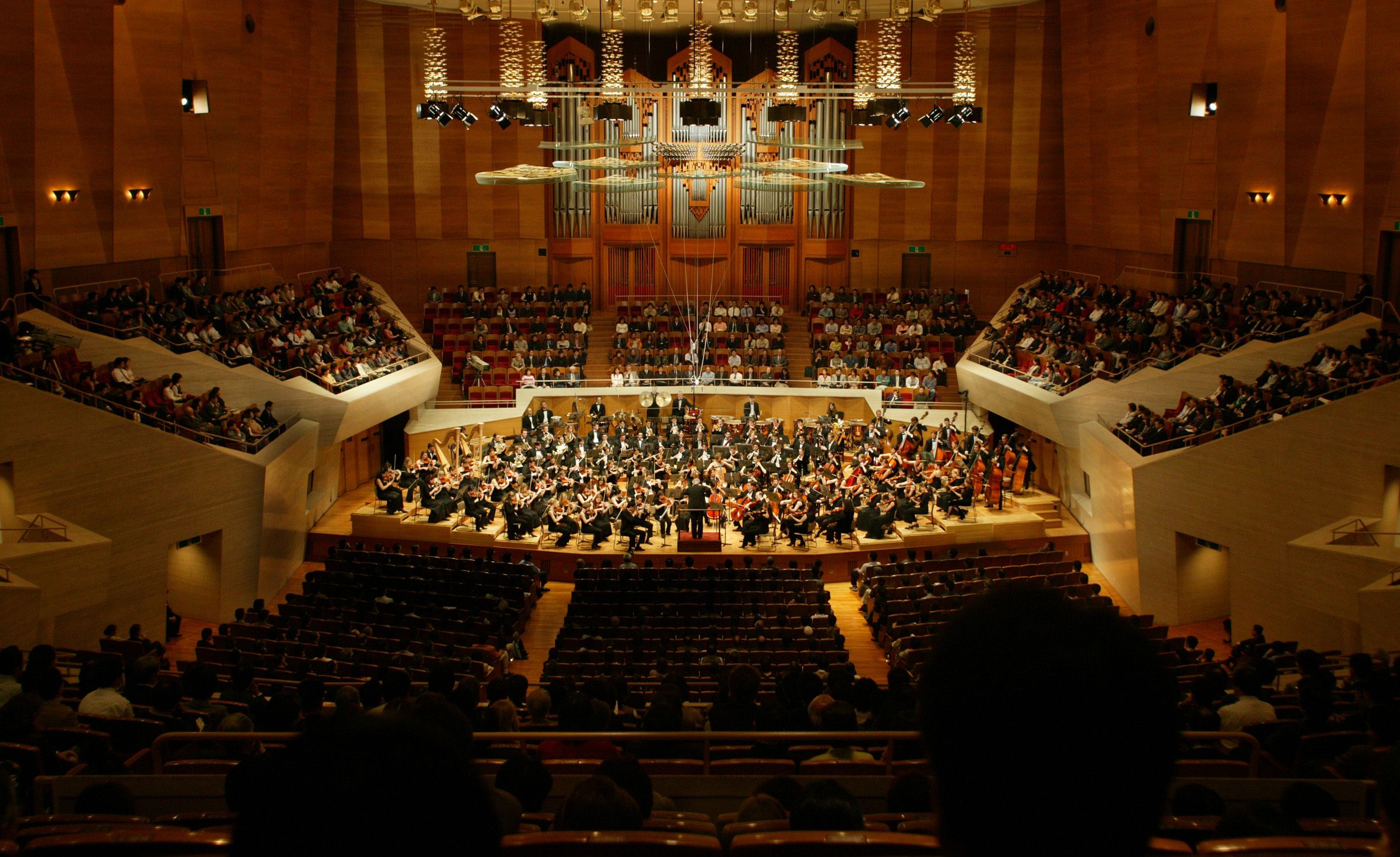
In addition to these elaborate preparations, hotels must of course be booked and internal transport of both musicians and instruments arranged. This is done in close co-operation with the Japanese hosts and the people they have assigned to the task. At an early stage of the preparations, Gordon Alsing has also travelled the route to inspect the concert halls and the distances from the concert halls to transport and hotels.
Musicians practice every day. Even when travelling. But hotels are not at all enthusiastic about guests' musical performances in their rooms - especially when it comes to brass and percussion players.
In Japan, the musicians will have to seek out some of the numerous karaoke booths that the Japanese love to visit on a daily basis to sing more or less beautifully to familiar music with the lyrics scrolling in front of them on a TV screen. So in the coming weeks, some of the booths won't be blissful Japanese tunes, but classical works - without singing - from the Danish musicians.
Gordon Alsing and several helpers fly to Japan in advance to ensure the unloading and unpacking of the instruments, as well as being present during the unpacking and set-up at the concert venues.
The touring life offers experiences for musicians - also in terms of tourism. This is possible in places where you stay in the same place for several days. On the other hand, there is a tight programme for the travel days, which in some places makes it necessary to have lunch in the backstage area during the rehearsals that precede, very shortly before the concerts, each time they play in a new hall. Rehearsals are often only finished moments before the audience enters the hall.
Normally, setting up the stage with chairs, music stands and lights above the notes is routine. But for a concert far away in China, for example, Gordon Alsing and a colleague had to make an impromptu visit to a local DIY store to buy wooden slats to ensure that the stage structure more or less met Danish working environment requirements.
Gordon Alsing knows the question well: Why should DR's musicians perform for a foreign audience? After all, they are paid by the licence fee.
-They are, their salary is more like it. No expenses for touring come from the licence money. In this case, Japanese Toshiba pays, in other cases foundations, companies and other sponsors pay.
-DR pays the musicians” salaries, but the two concerts the musicians do not play in Koncerthuset, but in Japan, are recorded and broadcast on P2, so that the Danish audience also gets the ”Thursday concerts" in their speakers. .
-"Furthermore, it is my firm belief that if you want to maintain your status as an orchestra at an international level, you need to show yourself on the international stage - otherwise you will drown in the crowd of orchestras in this world," concludes Gordon Alsing.
During the visit, we will bring you fresh reports from Japan on this page.