Today we rushed back to Beijing for concert number two - at the amazing National Centre for the Performing Arts. Opened in 2007, this huge metal egg-shaped dome surrounded by a man-made lake contains a theatre, an opera house, a concert hall and multi-functional performance spaces. It's an incredibly breathtaking building and sparkled in the afternoon sun as we arrived for our rehearsal.
The NCPA is the most important and prestigious classical music scene in China and has hosted many world-renowned orchestras, ensembles, musicians and conductors. We are honoured to now count ourselves among them.
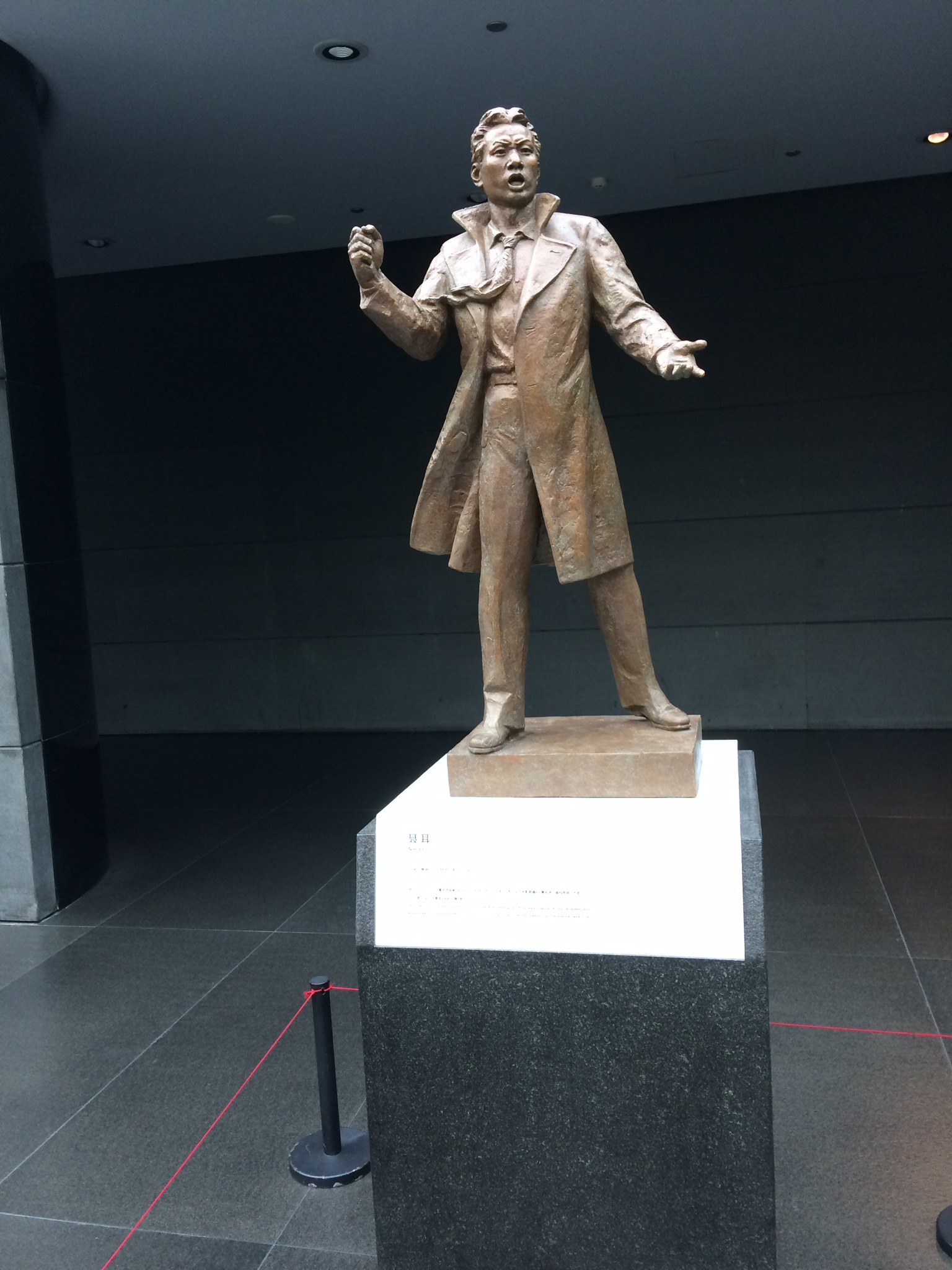
Inside, the building is beautiful, spacious and contains many interesting activities including a shrine-like gallery honouring famous Chinese musicians of the modern era - each celebrated with a statue. One of them is Nie Er - an early 20th century musician who composed the national anthem of the People's Republic of China.
The concert hall seats over 2000 guests and the acoustics are perfect for singing - even more impressive than the concert hall in Jinan from yesterday. The auditorium feels huge, but even the smallest and quietest musical detail is always perfectly clear.
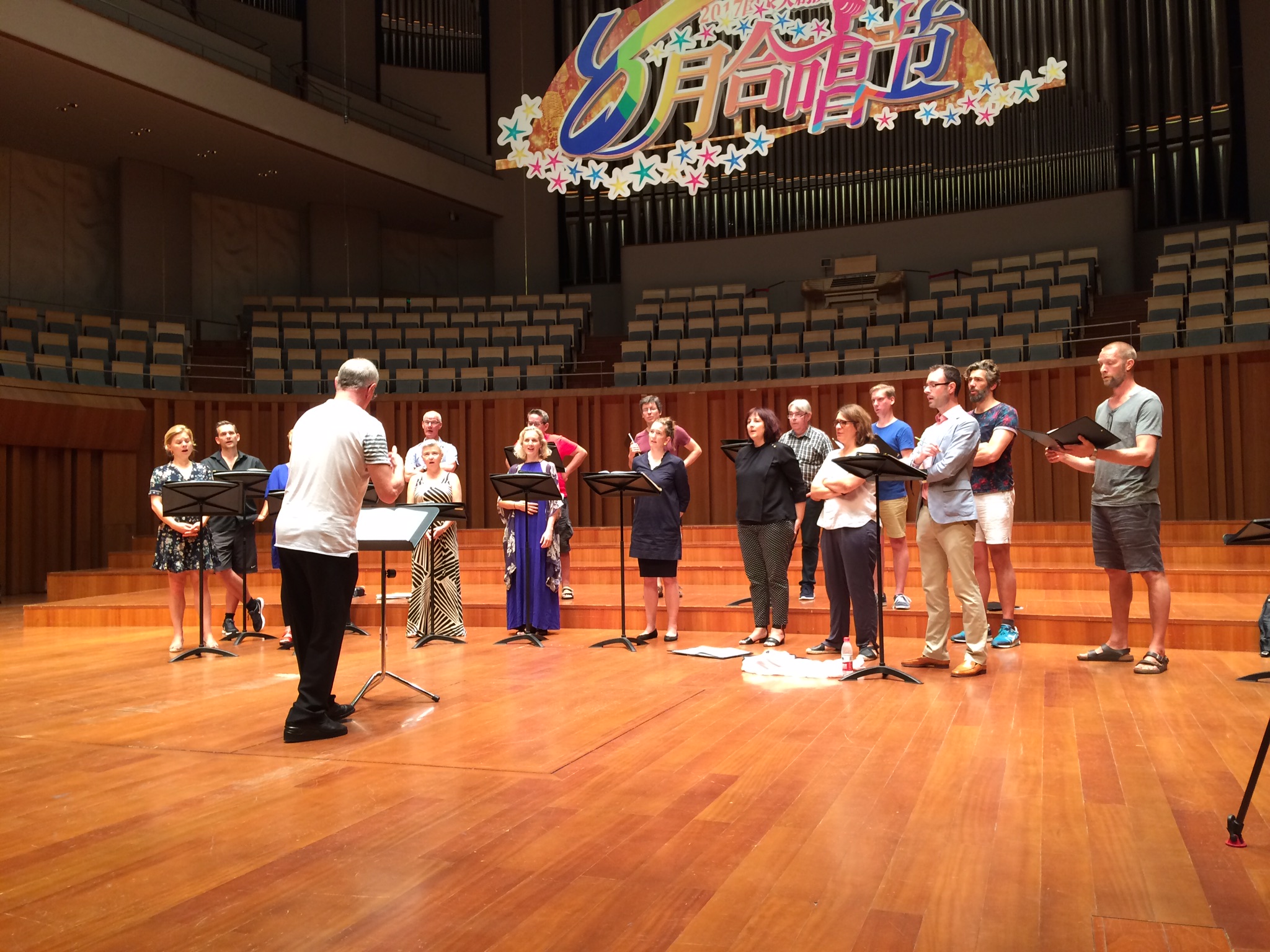
Our performance was part of NCPA's annual August Kor Festival (that's the festival banner hanging above the stage in the photo above) - an important international concert series. As well as many Chinese listeners (we were told afterwards that only 50 seats in the concert hall had not been sold), we were pleased to have some Danish ears in the audience: From the Danish Embassy, Eva Bagge Steenberg (Chargé d'affaires) with her husband and children and from the Danish Cultural Centre in Beijing, Bo Østergaard.
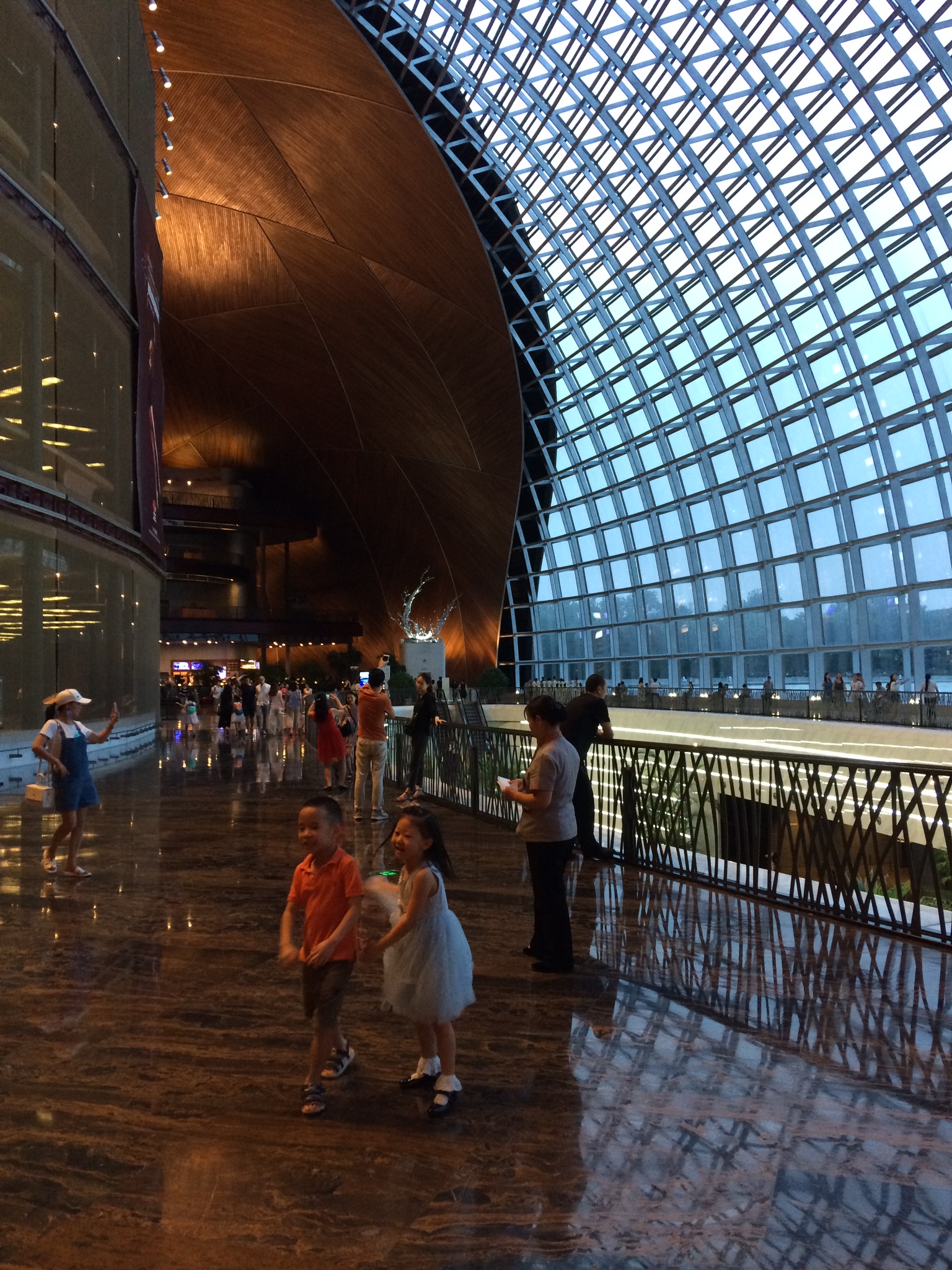
Inside, NCAP is as impressive as its exterior. Like this concert hall foyer packed with people just before our performance.
Just like in Jinan yesterday, we were very happy to see many children and young people in the audience and it seems that this is no coincidence. During the years of the Cultural Revolution in China, from 1966-76, Western classical music was severely restricted for political reasons. But since the 1980s, and especially in recent years, the political agenda has changed: learning to play an instrument is now a compulsory part of primary school, and everyone is encouraged to join choirs and choral singing. As a result, interest in classical music is growing for children and their parents (especially among the growing Chinese middle class). The Chinese are now the largest manufacturers of new pianos in the world, and there is a huge appetite for concerts and concert-going. (Funnily enough, another compulsory part of Chinese schooling is Hans Christian Andersen's fairy tales. Andersen's Fairy Tales.)
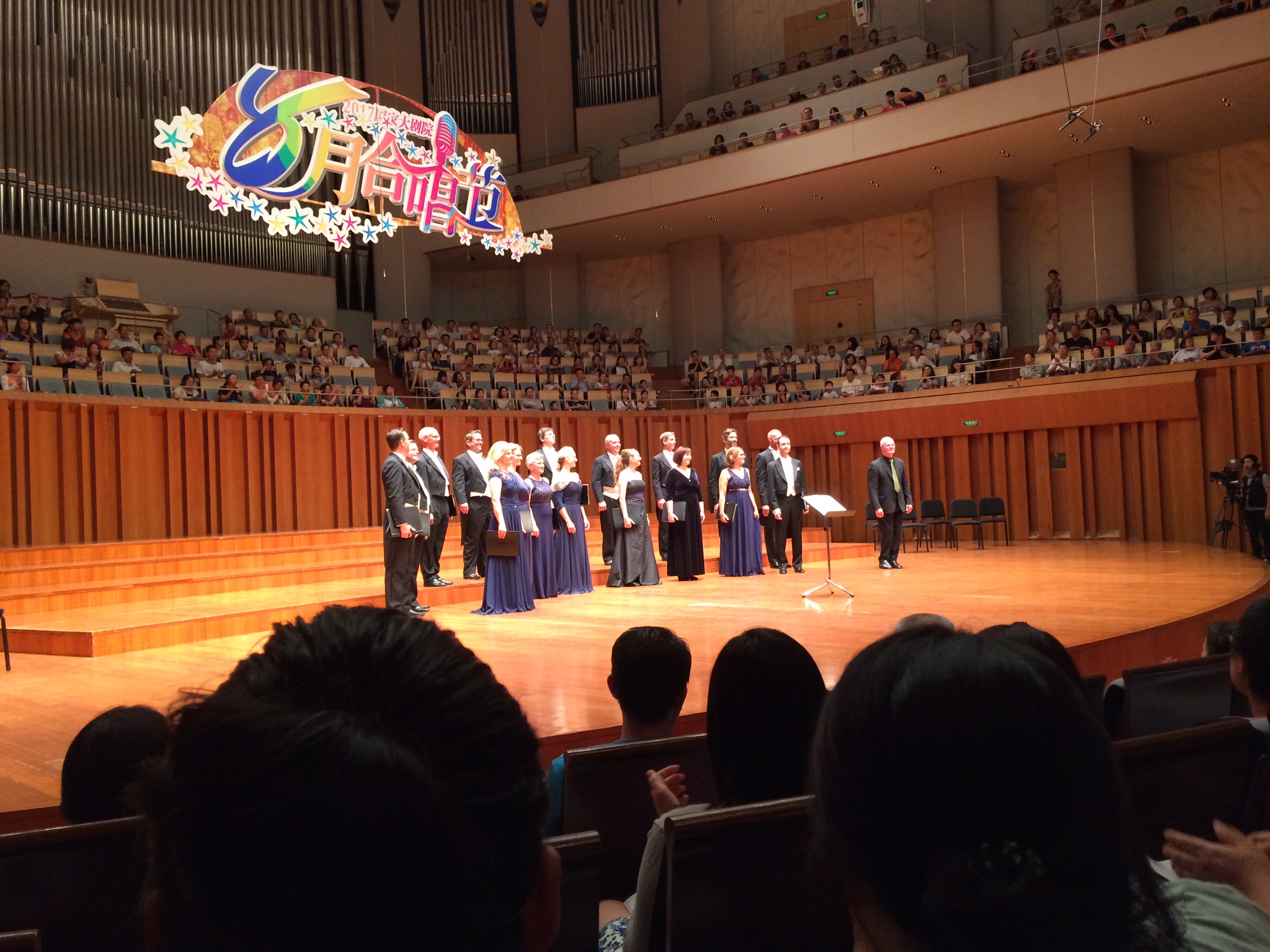
Like their compatriots in Jinan, the Beijing audience seemed to enjoy our concert quite a lot and they cheered and clapped enthusiastically at the end. We have one, extremely well-planned, musical surprise in our programme - and it's our first encore: a beautiful arrangement (by our own Phillip Faber, from DR's Girl Choir) of a well-known, incredibly popular and much-loved folk song: ”Mu li hua” - ”The Jasmine Flower”. We sing it at every concert, without telling you beforehand, in Chinese. We had an idea that it would be a popular choice - but our audience's reaction every time we sing it is remarkable: The moment they hear it for the first few notes of the piece, everyone joins in with a huge applause. One woman sitting next to me last night let out a loud gasp of amazement and enjoyment. It's a lovely way to end the concert and - for us - a good musical greeting from the VocalEnsemble to our Chinese audience.
Tomorrow we will travel 1000 kilometres south to the ancient city of Xi'an for our third concert.